We have all read about AI chips, the electronic wonders enabling the AI boom.
In this article, I’d like to turn that around a bit and talk about ”chip AI”, the ability of LLMs to design and code electronics, in particular cheap but very powerful single-chip computers.
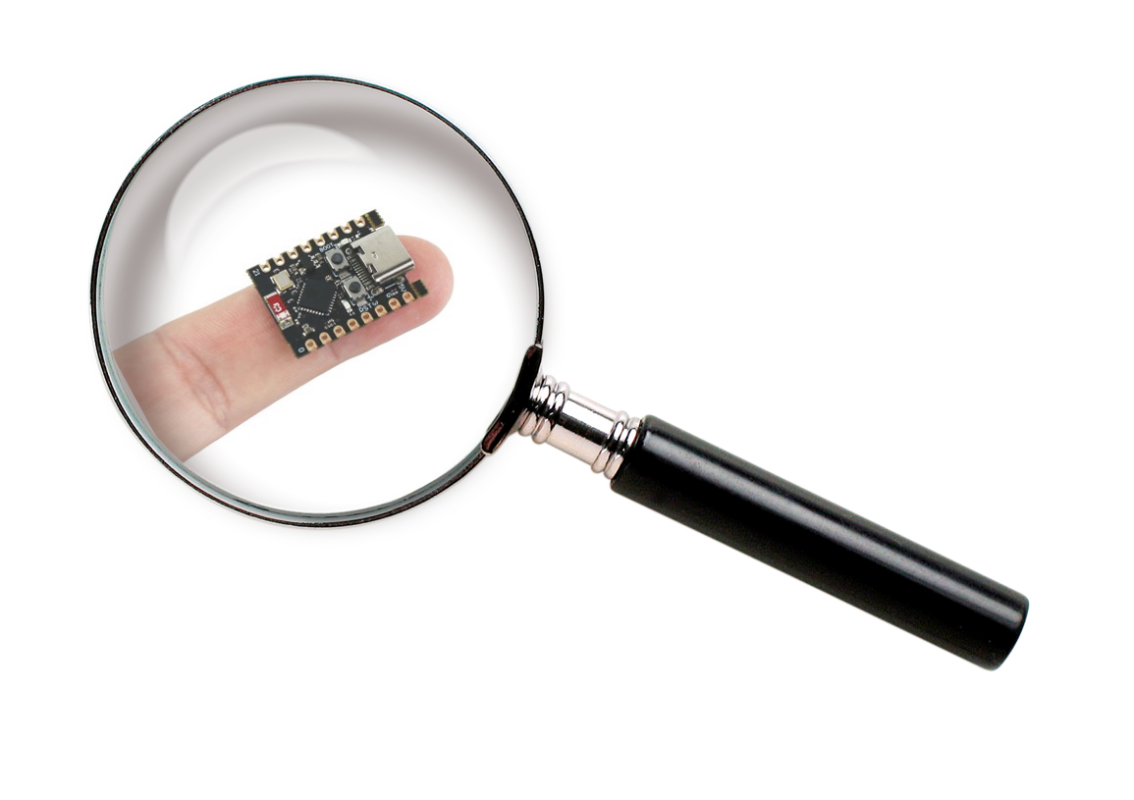
In case you are not sure what single-chip computers are, here is a comparison:
What are ’AI chips’?
The most commonly mentioned ’AI chip’ (the Nvidia H100) is actually not just a chip. It is an entire product; a product the size of a shoe box or bigger, containing thousands of small parts. Somewhere in there, there is that magical ’AI chip’.
Prices for some variants of this ’AI chip’ start around 25 000 Euros.
What is ’chip AI’?
I admit, I invented that term, but it’s useful.
Ever since I was a student, I have loved what you can do with electronics.
You used to need lots of special skills, tools and parts. Not so any longer.
All you need is a USB cable and perhaps a soldering iron, which means you can afford to use as many as you like and put them wherever you want.
You can buy a complete computer on a chip, with a CPU, storage, ports, Bluetooth, WiFi and more. All of that on a card the size of a stamp.
It’s called a single-chip computer.
Prices start around 7 Euros and the weight starts around 3-4 grams.
Hot to program those cheap devices
Years ago, you needed to know your way around electronics programming in order to create anything useful, which meant strange languages and limited instruction sets. Not so any longer.
Today, these single-chip computers can use plain Python or whatever the latest fancy is, but you don’t even have to write the code. LLMs like Claude can do it for you. Just tell your favourite LLM what functionality to create. Note: Not what code to write, just what to achieve.
You can build anything you want
You can build home control systems, communications devices, surveillance devices including miniature cameras, purpose-built sensors and information displays, add-ons to whatever other electronics you already own, sound recording devices, Internet (IoT) devices, Bluetooth- and WiFi devices and more. You decide.
So, what did I build?
Last winter, I bought a new action camera to use during my long adventure motorcycle trips. Obviously, it’s not a good idea to control the camera with your hands during riding, even though it’s securely mounted to the bike.
The manufacturer does offer a remote control to make controlling it easier, but that remote offers only limited functionality at a high cost.
Enter ’chip AI’.
I used AI to find and interpret the camera manufacturer’s proprietary communication protocol specifications, as well as the exact specifications for a suitable 7-Euro single-chip computer.
I then used AI to create a fault-tolerant program that sits in the stamp-sized computer and scans the surroundings for the closest camera of the correct type and then connects to it.
The program has everything it should have to be fail-safe and it communicates flawlessly with the camera using the latest low-power, long-range Bluetooth standard.
The next task was to receive answers and status messages back from the camera and visualize those in a meaningful way. I could have used a 20-Euro colour display, but I opted for something cheaper, more waterproof and less space-consuming. I used a few extra-bright LEDs (two for a Euro).
I then took a break and thought about how I wanted the LEDs to indicate various states, actions and potential errors.
After the break, I asked AI to make all that happen. The AI asked a few clarifying questions and suggested minor additions. For the most part, I accepted those suggestions.
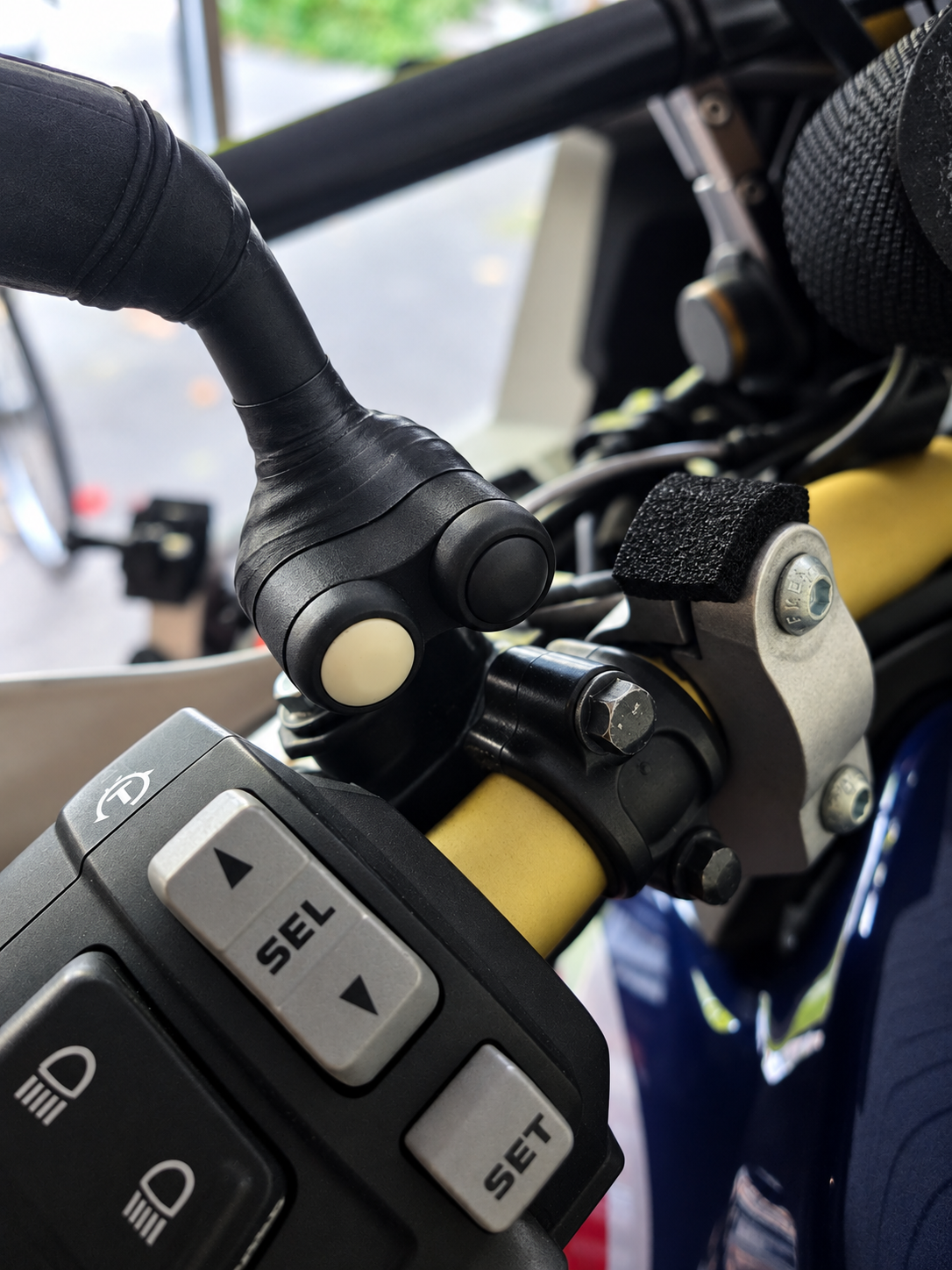
When the basics seemed to work, I told the AI I wanted some more features and a few buttons to control it all. The AI suggested a good, efficient way to make that happen.
The end result
It all works fine and has been used during my travels all summer long.
It’s fault-tolerant, waterproof, very small and consumes very little power.
The whole thing is hidden away under the saddle in a small, dust-proof plastic case. The only visible thing is a pair of buttons on the handlebars, right next to my thumb.
Funnily, the camera even thinks my home-grown AI-developed remote is the manufacturer’s original product.
Summary
I had a fairly clear idea of what I wanted and I was the one who put it all together, but AI guided me and saved me weeks of work, if not more.
This is what I would call ’chip AI’. Would you agree?
(In case you wonder, I used a 3D printer to create that plastic case. I could have used AI to create a 3D model and have it printed immediately, but let’s save that for another article.)
(…and since you ask: Yes, you can even get single-chip computers with built-in AI processors (NPUs). Prices start around 20-30 Euros. Let’s save that for another article as well.)
Take care everyone!
Björn